
🎙️ Rick Glassman’s podcast with Logan & Dylan from Love on the Spectrum is so fun, funny, and entertaining. Rick has increasingly won my listenership, but this one might have made me a real fan. Best to watch the pod, if possible, for the animation and facial expressions. But listening works too.
🚇 After a popular part 1 and part 2, here is a new round of Subway Takes that you can steal for conversation (or if you are recruited to star in the hit short-form vertical video series):
- Without Drake, we wouldn’t have Bad Bunny.
- It’s actually cool to be the first person that shows up at a party.
- It’s not brunch unless someone orders a dish with eggs in it.
- Adults would be way happier if they skipped more (as in, walking rhythmically with a bouncing step).
- If you start a sentence and then say “never mind,” you should be allowed to drop it without being harassed.
- The first person to say “we should hang out soon” is the one responsible for reaching out and setting it up.
- Beverage makers don’t focus enough on making their drinks visually appealing, outside of the packaging.
🎵 Stumbled across Jahson Paynter’s music for the first time this weekend and I am absolutely hooked. He reminds me so much of Frank Ocean and Dijon. If you’re a fan of them, you won’t regret giving these a listen:
Astonished that he hasn’t blown up yet.
🎥 Just a PSA that 3 of the best “bad” movies in cinema history are currently free to watch on Tubi:
Fifth Element— one of the best sci-fi films to ever hit theaters. Comedy, action, and a deceptively convincing plot, this movie was formative for me. Bruce Willis being unparalleled as a leading man. One of Chris Tucker’s greatest roles, if not his greatest.
Lost Boys— a dark yet stylish coming of age tale about vampires living in Santa Monica. If not for the sincerity of the cast, this movie would’ve flopped. There are some of the best one liners of all time in this film that could only be pulled off in the 80’s.
Point Break— Casted and directed by Katherine Bigalow, this film made Keanu Reeves a star, made way before it was in vogue to make movies about it; I have come to consider this film (along with RoadHouse) to be one of the greatest commentaries on masculinity, fraternity, and heteronormativity in picture history. Although campy at times, it is a perfect distillation of at least one woman’s perspective on male identity.
Watch while you can! Just bear in mind that the value of these films is not widely considered to be self-evident. It takes eyes to see why they are cult classics!

Started Reading: Pere Goriot by Honore de Balzac 📚
This may be the best near opening to a book I have read in a long time:
“After reading about the secret misfortunes of Pere Goriot, you will eat your dinner with relish, blaming the author for your insensibility, charging him with exaggeration, accusing him of poetic license, but let me tell you, this drama is not fiction or romance. All is true. So true that everyone can recognize its elements in his own circle, perhaps in his own heart.”
🎵 A strange quirk of my personality is that I really like to listen to covers of songs that I already love. There is a sweetness in listening to people also enjoy the song and interact with it in a fresh or unique way. The early days of Youtube were full of singers and acoustic guitars players just jamming for the joy of the music. Therefore, I’ve decided to link live versions of my most listened to artist since last year along with some covers that I personally found delightful. Good intro to the amazing artist that is Mk.gee:
- Are You Looking Up —> Are You Looking Up Cover
- Dream Police —> Dream Police Cover
- Candy —> Candy Cover
- Little Bit More —> Little Bit More Cover
- Rylee and I —> Rylee and I Cover
- How Many Miles —> How Many Miles Cover
The entire Two Star and the Dream Police album is a masterpiece. Like if Prince, The Police, and Phil Collins/Peter Gabriel had a baby in the internet era. I hope New Jersey is so proud of him.
💬 It’s been years, yet Haley Nahman is still one of my favorite writers. Certainly the best on Substack. Love seeing her do a simple observational blog post.
💐 Flowers, lately (fireworks are flowers, just so you know):

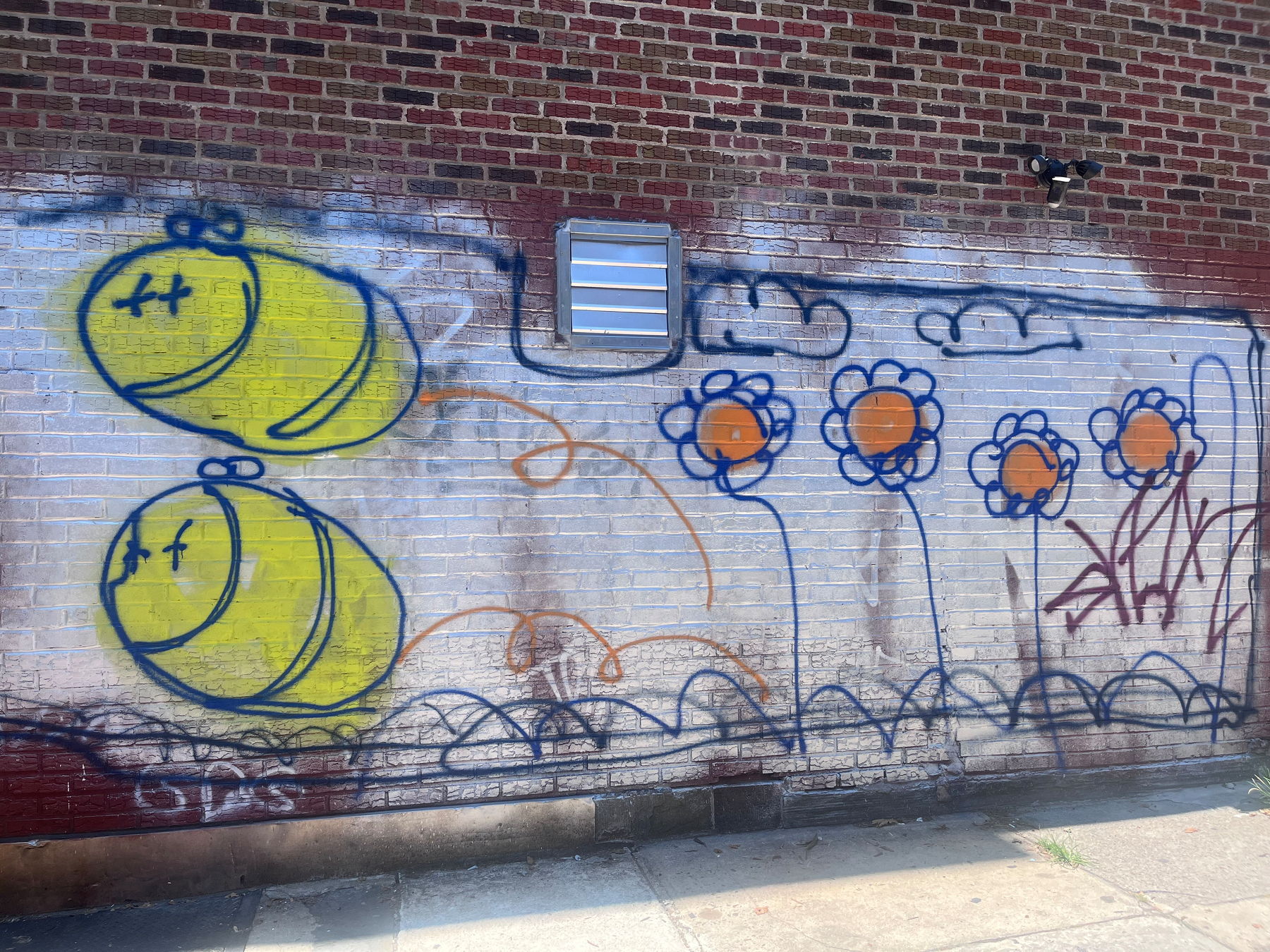
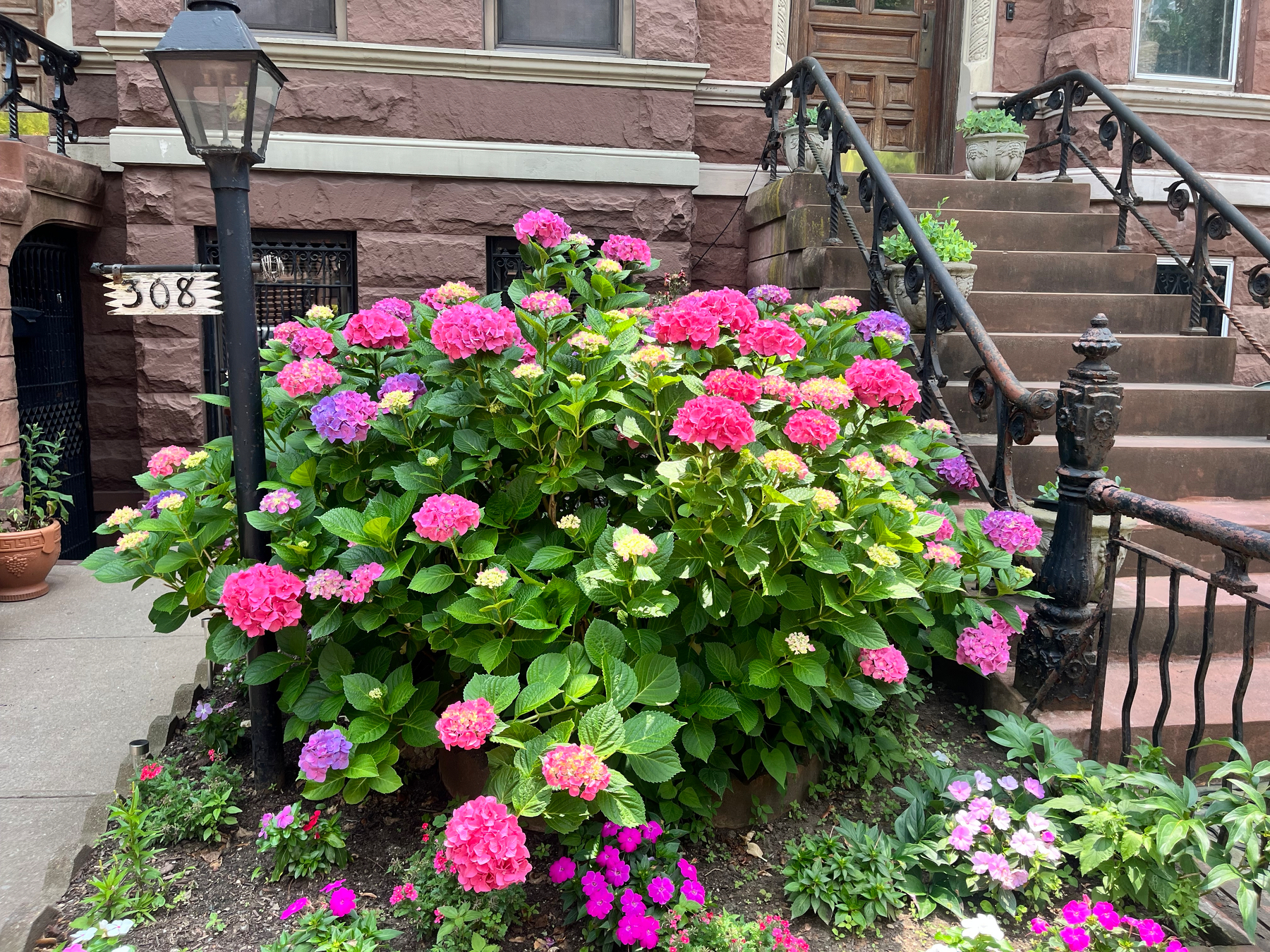
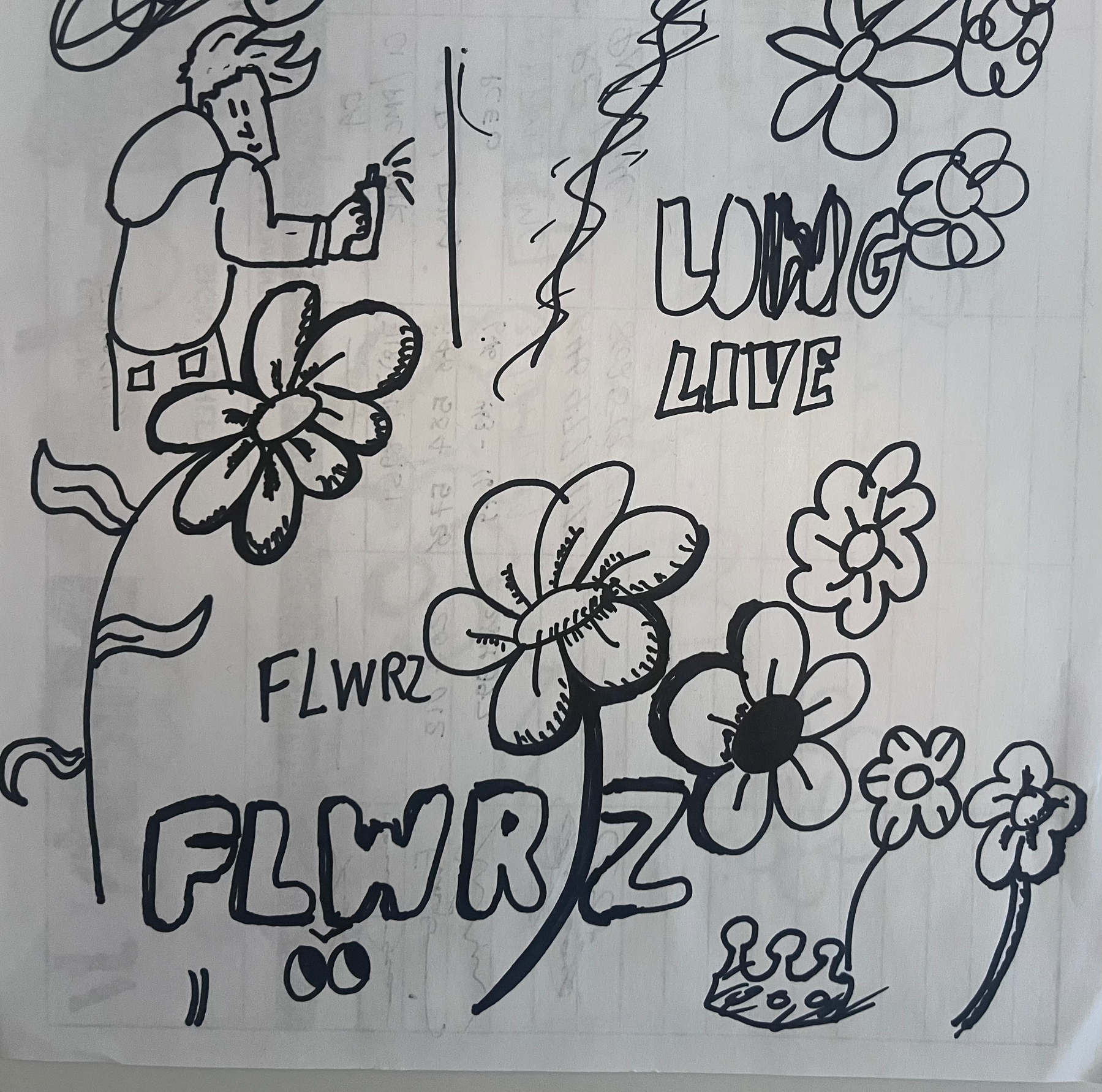
💐 These deserve their flowers today:
- The anticipation of waiting for a new roll of film to be developed
- The middle-of-chest pocket on overalls
- Successfully acknowledging a friend who has been working out
- A warm cup of tea in the evening
- People who tell you when you have something on your shirt
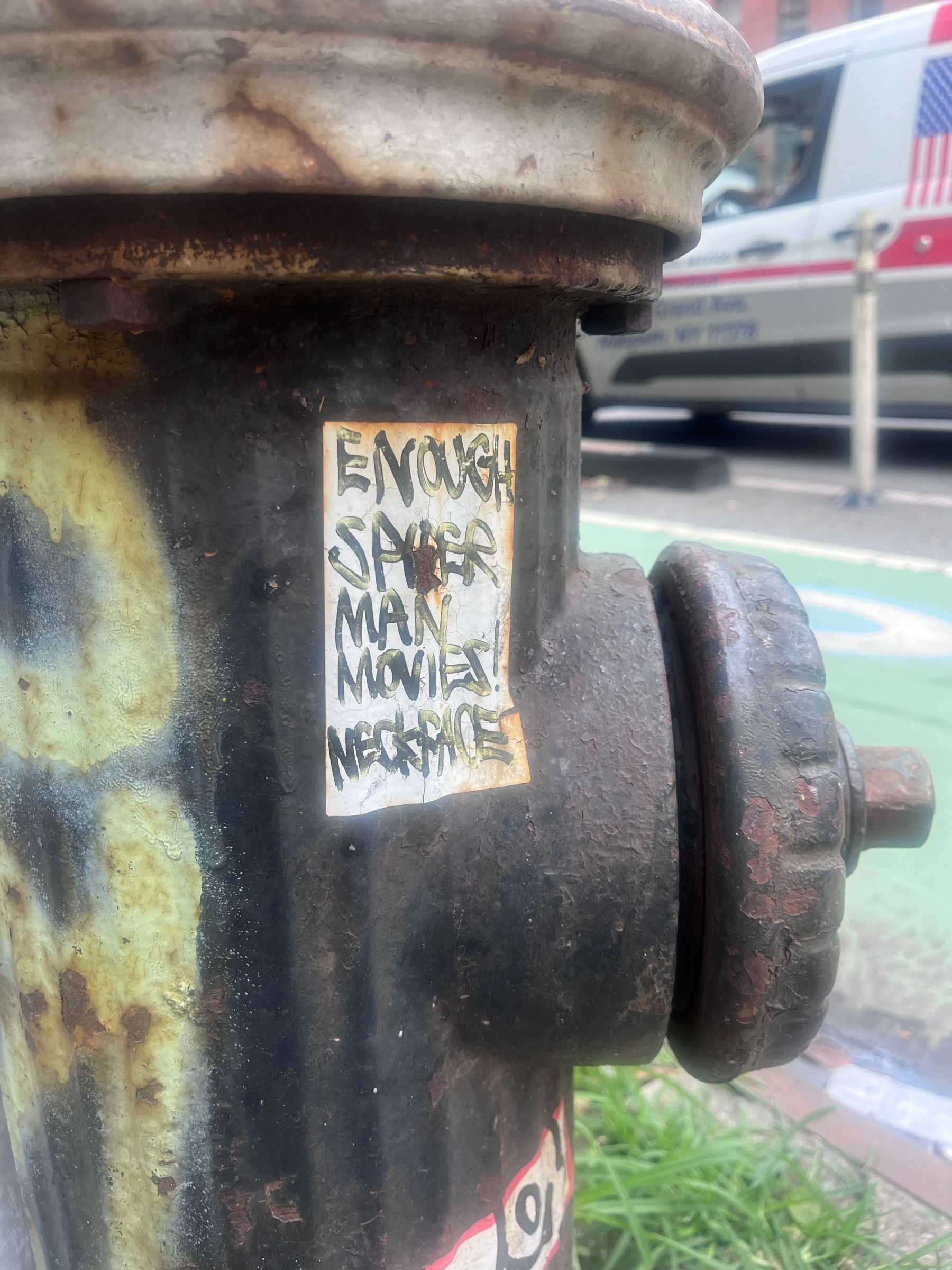
🎨 Found this small, inconspicuous graffiti sticker from artist Neck Face on a random fire extinguisher on the Upper East Side:
Enough SpiderMan Movies!
Neck Face’s style is not the most inviting or easy to understand. Nonetheless, there is an attitude to it that those with eyes to see might find worthwhile.
Watched: The Invite 🎥
A four person film, perfectly casted. Olivia Wilde, who acted and directed, tapped into her inner Woody Allen for this film. It is utterly hilarious, observant, and cynical. While an objectively well-done movie, it is not one I wished I watched at this moment in my life.
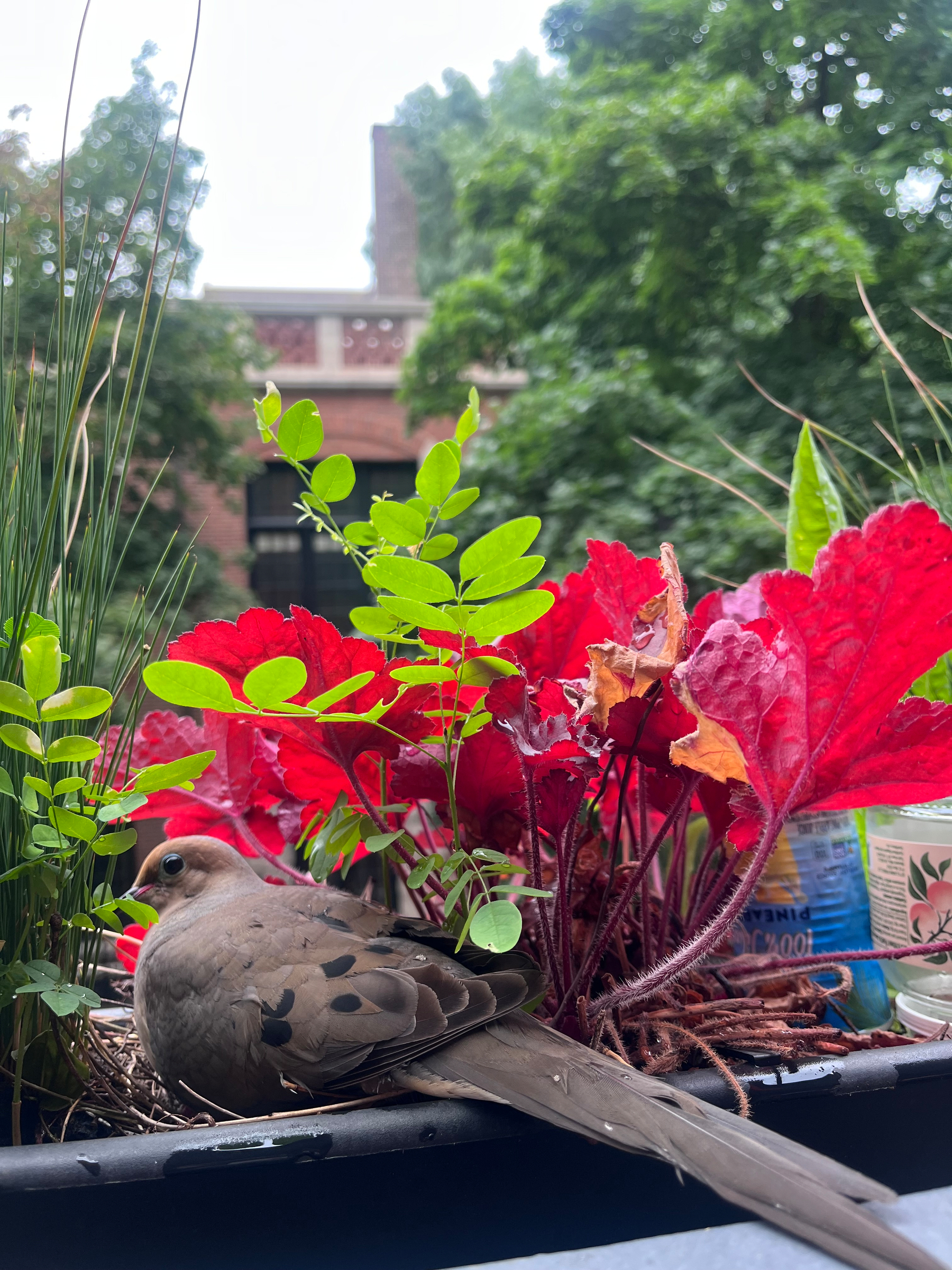
📸 New neighbor in my apartment building
🤝 Tips for Extroverts #174:
Need quick social stimulus? Put on a red shirt and head to Target.
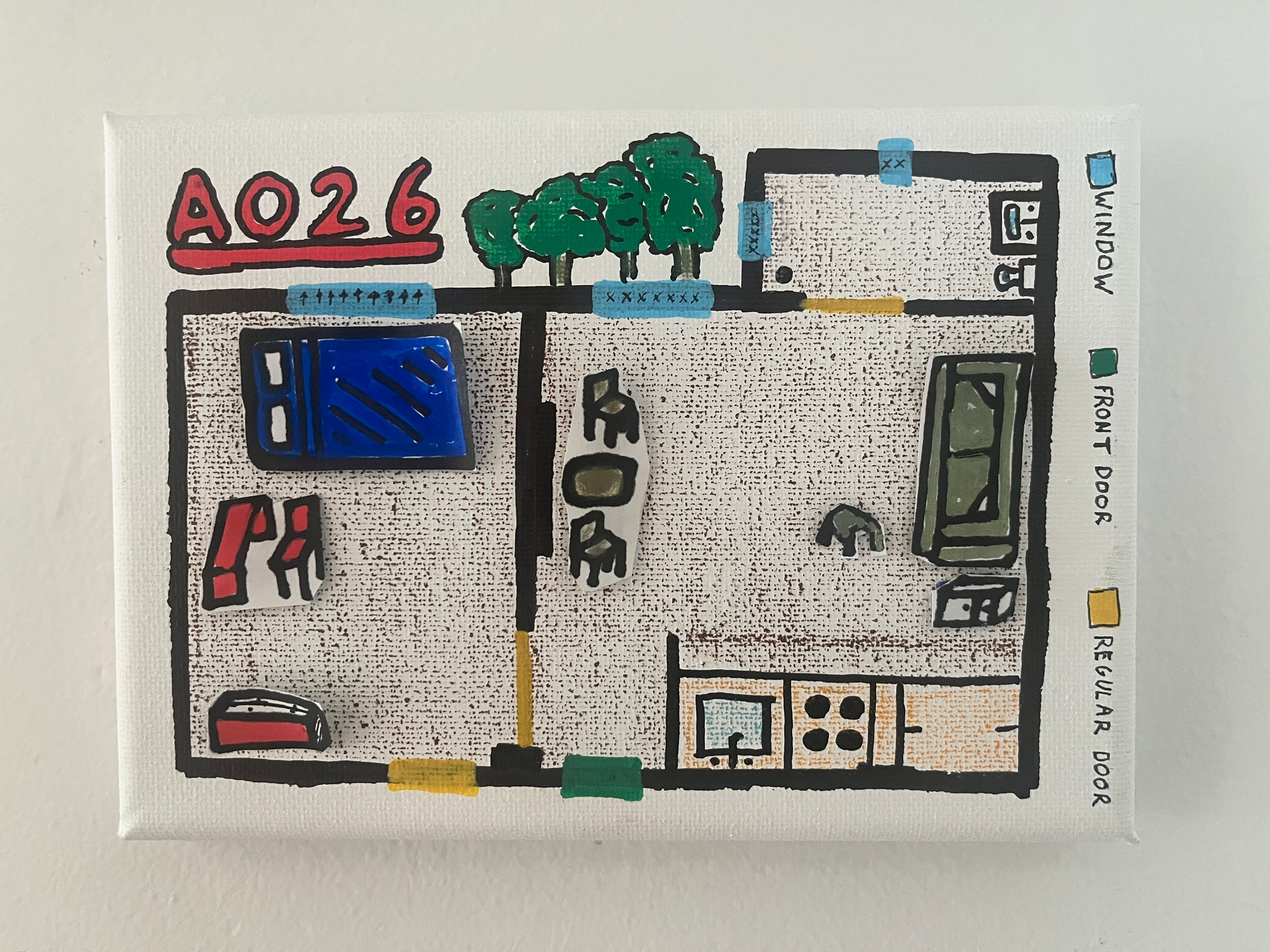
First version of my homemade fire exit plan for my one-bedroom apartment. Yes, the furniture is rearrangeable.
🎵 More music for ya headtops:
- I Want You by Marvin Gaye
- Thirst Trap by Audrey Hobert
- Doing Great by Jasimi
- Dopamine by Robyn
- Cry by Ashnikko ft. Grimes (Explicit)
A strange mix, for sure…
✍️ New Blog Post Up Now // The Oldest Game
I feel like I am always changing language, changing location, changing myself. If you told me that the most ancient game in our universe was a game of transformations—of survival by means of constant change—I wouldn’t hesitate to agree with you. When it comes to longevity, life is a free fall—and all that matters is how many wings you can grow before it’s time to kiss the earth.
The most linear thing I’ve ever written (or best drawings I’ve ever drawn)? Nope. But I had some things to say.
💬 Really enjoyed (and agree with) Mandy Brown’s rabble-rousing in her latest post:
One day you will be called on to break a big law in the name of justice and rationality. Everything will depend on it. You have to be ready. How are you going to prepare for that day when it really matters? You have to stay ‘in shape’ so that when the big day comes you will be ready. What you need is ‘anarchist calisthenics.’ Every day or so break some trivial law that makes no sense, even if it’s only jaywalking. Use your own head to judge whether a law is just or reasonable. That way, you’ll keep trim; and when the big day comes, you’ll be ready.” — James C. Scott
Start today!
✏️ New Word Learned:
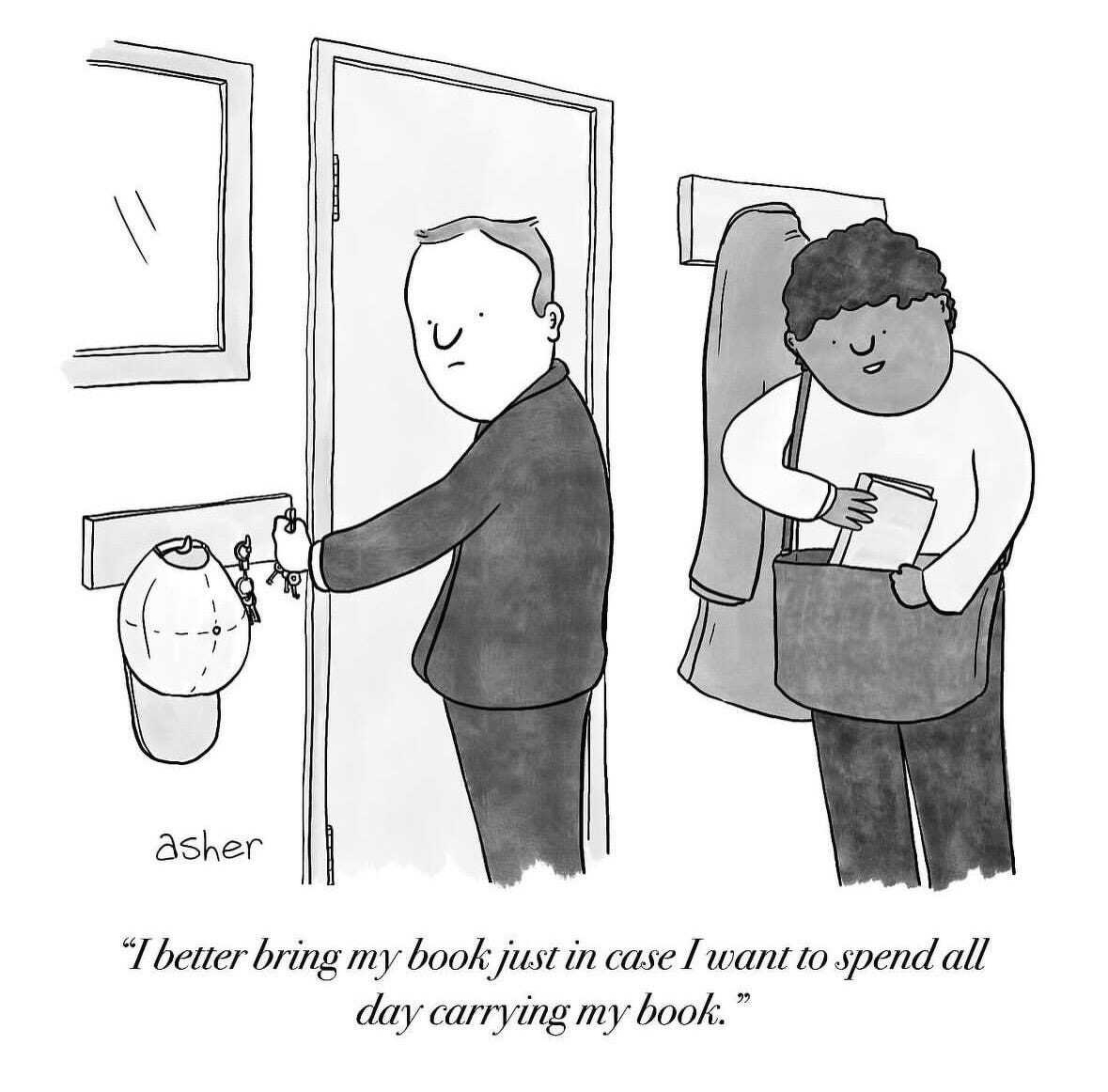
Circumlocution: the use of an unnecessarily large number of words to express an idea
A conceit that I excel in.
🎵 Been listenin' to:
- I’ll Try Anything Once by The Strokes
- I Eat by Tobe Nwigwe & Fat Nwigwe
- Wax Paper by Tierra Whack
- Valerie by Amy Winehouse
- Dangerous Game by Blue DeTiger
Full 2026 playlist here.